
Industry Dynamic
How a Proactive Rubber Seal supplier Identifies Mold Flow Issues Early
Sep 28,2026
This article explores how a proactive rubber seal supplier identifies mold flow issues early in the injection molding process. It highlights the practices of ZHEJIANG HAIDIE ELECTRIC CO., LTD (HAIDIE), a leading supplier of automotive connectors and sealing plugs. The discussion covers key aspects such as the use of mold flow simulation software, in-house mold making and injection molding expertise, material testing, real-time process monitoring, dimensional and visual inspection, collaboration with customers, rapid prototyping, and a culture of continuous improvement. HAIDIE's vertical integration and commitment to quality enable them to anticipate and resolve mold flow issues before they become costly defects. The company's nearly 80 employees, 4,000-square-meter warehouse, and vast inventory of connector types support their proactive approach. By leveraging technological prowess, rapid delivery response, high reliability, and full-cycle service, HAIDIE has established a significant competitive advantage and is a trusted partner for over 5,000 customers globally. The article emphasizes that early identification of mold flow issues is crucial for ensuring the reliability and safety of rubber seals in automotive applications, especially in the growing new energy vehicle sector. HAIDIE's proactive methods serve as a model for other suppliers seeking to enhance their quality and operational efficiency.
In the fast-paced world of automotive manufacturing, the reliability of even the smallest component can make or break a vehicle's performance. Among these critical components are rubber seals and sealing plugs, which protect sensitive electrical connectors from moisture, dust, and vibration. As vehicles become more sophisticated, the demand for flawless seals has never been higher. Yet, producing these seals is no simple task. It involves complex injection molding processes where mold flow issues can lead to defects such as short shots, flash, warpage, and weld lines. A proactive supplier not only reacts to these problems but identifies them early in the design and production stages. One such industry leader is ZHEJIANG HAIDIE ELECTRIC CO., LTD (HAIDIE), a company that has turned proactive mold flow management into a cornerstone of its success.
HAIDIE, established in June 2013, has grown into a high-end electrical connector provider specializing in automobiles and new energy. With a deep understanding of injection molding, mold making, and material properties, the company leverages its expertise to anticipate mold flow challenges before they become costly production hurdles. This article explores how a proactive rubber seal supplier identifies mold flow issues early, using HAIDIE's practices as a benchmark for excellence.
Understanding Mold Flow Issues in Rubber Seal Production
Mold flow refers to the behavior of molten rubber as it travels through the mold cavity during an injection molding cycle. For rubber seals, which are often thin-walled and geometrically complex, achieving uniform flow is essential. Common mold flow issues include:
Short shots: Incomplete filling of the mold cavity due to insufficient material flow or blockages.
Flash: Excess material that escapes from the mold parting line, leading to thin fins that interfere with sealing performance.
Weld lines: Where two flow fronts meet, creating weak points that may crack under pressure.
Warpage: Distortion of the final part caused by uneven cooling or internal stresses.
Air traps: Pockets of air that create voids and compromise the seal's integrity.
For rubber seals used in automotive connectors, these defects can cause catastrophic failures, leading to electrical shorts, corrosion, and even system failures. Therefore, identifying mold flow issues early is not just a quality preference; it is a safety imperative.

The Proactive Approach: Simulation and Analysis
At HAIDIE, the journey to early mold flow issue identification begins long before any physical mold is cut. The company utilizes advanced mold flow simulation software to model the injection process virtually. These simulations predict how molten rubber will flow, cool, and solidify within the mold. By inputting precise material properties, gating locations, and process parameters, engineers can identify potential short shots, weld lines, and air traps in the digital realm.
“We run multiple iterations of simulations for every new seal design,” explains a senior engineer at HAIDIE. “This allows us to modify the mold geometry, adjust gate positions, and optimize runner sizes before we even commit to steel.” This proactive approach not only saves time and money but also ensures that the first physical prototype is already close to perfect.
HAIDIE’s commitment to technological prowess is evident in its investment in simulation tools. The company’s product performance is benchmarked against leading international brands, and this digital-first approach ensures that they can match or exceed industry standards. By identifying potential flow issues early, HAIDIE minimizes the risk of expensive mold revisions and production downtime.
In-House Mold Making and Injection Molding Expertise
One of HAIDIE’s unique advantages is its vertical integration. Unlike many suppliers that outsource mold making and injection molding, HAIDIE performs both in-house. This gives the company unprecedented control over the entire production process, from design to finished part.
With a dedicated mold-making department, HAIDIE can rapidly iterate on mold designs. If a mold flow issue is detected, the team can immediately modify the mold cavity, adjust the venting, or change the gate design. This agility is critical because it allows for quick corrective actions, preventing the issue from escalating into large-scale defects.
Furthermore, HAIDIE’s injection molding facility is equipped with modern presses that allow for precise control over temperature, pressure, and injection speed. The company’s nearly 80 employees include highly trained technicians who understand the nuances of rubber compounds, including their viscosity and cure behavior. This in-depth knowledge is vital for predicting how a particular rubber batch will flow inside a mold.
Material Selection and Testing
Another key aspect of identifying mold flow issues early is understanding the material. Different rubber compounds exhibit different viscosity, shear-thinning behavior, and curing characteristics. A proactive supplier will work closely with material suppliers to qualify new compounds before they are used in production.
HAIDIE places a strong emphasis on material quality. The company's core products cover connectors, terminals, sealing plugs, and wire harnesses, and they often deal with high-performance elastomers for automotive and new energy applications. Before a new rubber compound is approved, HAIDIE conducts rigorous testing, including rheology tests to measure viscosity under different shear rates and temperatures. This data is then fed into the mold flow simulation models to ensure accuracy.
“We don’t assume that a material will behave the same way every time,” says a material specialist at HAIDIE. “We test each batch and adjust our molding parameters accordingly. If we notice a change in viscosity that could lead to flow issues, we address it immediately.” This proactive material management prevents defects before they occur.
Process Monitoring and Real-Time Quality Control
Even with excellent simulation and design, mold flow issues can still arise during actual production. A proactive supplier doesn't wait for defective parts to appear; they use real-time monitoring to spot deviations early.
HAIDIE has implemented a three-tiered quality inspection system that covers raw material intake, production process, and finished product delivery. During the injection molding process, sensors monitor key parameters such as injection pressure, barrel temperature, and mold temperature. If any parameter deviates from the optimal window, an alarm is triggered, allowing operators to make immediate adjustments.
At HAIDIE’s 4,000-square-meter warehouse, the company maintains inventory of tens of thousands of types and millions of pieces. This massive inventory is a testament to their efficient production lines, but it also means that any defects could multiply quickly if not caught early. To mitigate this, HAIDIE employs statistical process control (SPC), tracking the output of every molding cycle. If a trend indicates a potential issue—such as a gradual increase in cycle time that could lead to premature curing—the team proactively investigates and corrects the root cause.
Dimensional and Visual Inspection
After parts are molded, they undergo thorough inspection. HAIDIE uses coordinate measuring machines (CMMs) and optical comparators to verify that the seals meet the strict dimensional tolerances required for automotive connectors. Even a slight warpage can cause a seal to fail, so these inspections are essential.
In addition to dimensional checks, visual inspection is performed to identify surface defects such as flash, pitting, or discoloration. HAIDIE’s inspectors are trained to recognize subtle signs of mold flow issues. For example, a rough surface texture may indicate turbulent flow, while a glossy spot could suggest localized overheating. These visual cues are often the first indication that something is wrong with the mold or process.

The company’s commitment to quality is validated by its certifications, including ISO9001 and IATF16949. These standards require robust process control and continuous improvement, which align perfectly with HAIDIE’s proactive philosophy.
Collaboration with Customers
Early identification of mold flow issues also relies on close collaboration with customers. HAIDIE serves over 5,000 customers globally, and many of them are original equipment manufacturers (OEMs) and tier-one suppliers in the automotive industry. By involving customers in the design review phase, HAIDIE can gain insights into the application requirements that might affect mold flow.
For instance, a customer may specify that a particular seal must withstand high temperatures or aggressive chemicals. This information influences the choice of rubber compound, which in turn affects the mold flow behavior. If the customer has experienced issues with a similar seal in the past, HAIDIE can proactively adjust the design and process to avoid those pitfalls.
HAIDIE’s positioning as “reliable connection, efficient adaptation, and fast delivery” underscores their dedication to customer-centric problem-solving. They offer customized services, designing sealing solutions that are tailored to specific vehicle architectures. This collaborative approach ensures that potential issues are addressed from multiple angles.
Continuous Improvement and Knowledge Sharing
A proactive supplier never rests on its laurels. HAIDIE iterates its products monthly and has developed over a thousand sets of molds. Each new mold and each new production batch provides valuable data that can be used to refine future mold designs and process parameters.
HAIDIE maintains a knowledge base of mold flow issues encountered in the past. This database includes photographs, failure analysis, and the corrective actions taken. When a new project begins, the engineering team reviews this database to avoid repeating past mistakes. This institutional memory is a powerful tool for early detection.
Additionally, HAIDIE is deeply involved in the automotive, new energy, and connectivity fields. The company has grown into a domestic alternative enterprise integrating R&D, intelligent manufacturing, supply chain, and services. By staying at the forefront of industry trends, HAIDIE anticipates changes in material formulations and design standards, allowing them to proactively adjust their molding processes.
The Role of Rapid Prototyping
While simulation is powerful, there is no substitute for physical testing. HAIDIE has a rapid prototyping capability that allows them to produce small batches of seals using 3D-printed molds or soft tooling. This is especially useful for evaluating mold flow in complex geometries where simulation may not perfectly predict real-world behavior.
Rapid prototyping enables HAIDIE to identify issues that might not appear in simulation, such as the effect of venting on air entrapment. By producing prototype seals and subjecting them to functional tests, HAIDIE can validate the mold design and adjust the flow characteristics before investing in hard tooling.
This approach is particularly important for new energy vehicle applications, where the voltage and current requirements demand higher performance from sealing components. HAIDIE’s expertise in this sector, combined with their rapid prototyping capabilities, ensures that mold flow issues are caught and resolved early in the development cycle.
Case Study: A recent Success Story
To illustrate the proactive approach in action, consider a recent project where HAIDIE was tasked with developing a new sealing plug for an electric vehicle battery connector. The seal had a complex undercut and a thin wall section in the sealing lip. Initial simulation showed a potential weld line at the critical sealing surface.
Instead of proceeding with the original design, HAIDIE’s engineers used the simulation data to modify the gate location and increase the mold temperature. They also selected a higher-flow rubber compound that would reduce the risk of short shots. After implementing these changes, the revised simulation showed a clean flow pattern with no weld lines on the critical surface.
Rapid prototypes were produced and tested. The parts exhibited excellent dimensional accuracy and no visible defects. The design was then released for production, and the first production runs were flawless. By identifying the issue early, HAIDIE avoided a costly redesign and delivered the product on time.
This case exemplifies the proactive mindset at HAIDIE. The company’s ability to detect mold flow issues before mass production is a key reason why they have become a recognized preferred brand for high cost-performance and high reliability.
Building a Quality Culture
Proactive mold flow management is not just about tools and technology; it is also about culture. HAIDIE has cultivated a culture where every employee, from the floor operator to the top management, is empowered to raise concerns about potential issues. This culture is reinforced through regular training sessions on mold flow principles and defect prevention.
HAIDIE’s company name signifies “massive inventory, continuous iteration and updates.” This ethos extends to their approach to quality. They are not satisfied with the status quo; they continuously seek ways to improve. Their mission to achieve one-stop service through resource integration has led them to become one of the most professional connector platforms in China. By integrating design, molding, testing, and assembly, they can control every variable that affects mold flow.
The company’s 4,000-square-meter warehouse is a physical manifestation of their commitment to supply chain reliability. With tens of millions of different types of plugs in stock, HAIDIE can offer rapid delivery to customers. But this inventory also means that they can afford to be selective about quality. If a mold flow issue is suspected, they can immediately halt production and conduct a thorough investigation without causing severe supply disruptions.
Conclusion
In the competitive world of automotive components, the ability to identify mold flow issues early is a defining characteristic of a proactive rubber seal supplier. HAIDIE demonstrates this through advanced simulation, in-house expertise, rigorous material testing, real-time process monitoring, and a culture of continuous improvement.
Since its establishment in June 2013, HAIDIE has dedicated itself to the sales, injection molding, mold making, wire harness processing, and design of automotive connectors. Their nearly 30,000 product offerings, covering replacements for major brands like Tyco, Sumitomo, Yazaki, Deutsch, Bosch, and FCI, are a testament to their versatility. Yet, it is their proactive approach to mold flow that ensures these products meet the highest standards of reliability.
For any company looking to excel in the production of rubber seals, the lesson is clear: invest in early identification tools and foster a proactive culture. As HAIDIE has shown, identifying mold flow issues early is not just about avoiding defects; it is about ensuring safety, building trust, and delivering excellence.
HAIDIE's journey in serving over 5,000 customers globally and iterating products monthly is a testament to their proactive engineering. Their position as a high-end electrical connector provider, focusing on domestic substitution and customized services, is strengthened by their ability to preempt and solve mold flow challenges.
In the end, a proactive supplier doesn't just react to problems; they anticipate them. HAIDIE has taken this philosophy to heart, and it shows in every seal they produce. Whether it is for a gasoline-powered vehicle or a cutting-edge new energy car, HAIDIE ensures that all their rubber seals are flawless from the first shot to the last.
Through their technological prowess, rapid delivery response, high reliability, and full-cycle service, HAIDIE has established a significant competitive advantage in the mid-to-high-end connector market. Their proactive identification of mold flow issues is just one example of how they live up to their brand promise.
For automotive designers and procurement specialists, partnering with a proactive supplier like HAIDIE is a prudent choice. It reduces risk, accelerates time to market, and ensures that the final product performs as intended. Mold flow issues are inevitable in this complex manufacturing process, but with a proactive partner, they can be managed effectively and efficiently.

As the industry evolves, the importance of proactive mold flow management will only grow. With the increasing adoption of electric vehicles and the integration of advanced electronics, the demand for highly reliable rubber seals will rise. HAIDIE is well-positioned to meet this demand, thanks to their unwavering focus on quality and innovation.
The phrase “massive inventory, continuous iteration and updates” is not just a name; it is a promise. HAIDIE consistently delivers on this promise by identifying potential problems early and turning them into opportunities for improvement. It is this proactive mindset that sets them apart from other suppliers.
In summary, HAIDIE’s approach to mold flow issue identification is comprehensive and effective. By combining simulation, prototyping, material science, process control, and collaboration, they ensure that rubber seals are produced with precision and reliability. Any supplier looking to enhance their proactive capabilities should look to HAIDIE as a model.
The company’s nearly 80 employees and 4,000 square meter warehouse are more than just assets; they are the foundation of a proactive quality system. Every person at HAIDIE understands their role in preventing defects, and they are empowered to take action.
Finally, it is worth noting that HAIDIE’s products are primarily used in the power, chassis, and body control systems of gasoline-powered vehicles and new energy vehicles. These are safety-critical applications where a defective seal can have severe consequences. HAIDIE’s proactive mold flow management is therefore not just a business strategy; it is a responsibility they take seriously.
As we look to the future, the automotive industry will continue to demand higher quality and more innovative components. Suppliers like HAIDIE will lead the way by identifying and solving mold flow issues early, ensuring that the road ahead is safe and reliable.
With over a decade of experience, HAIDIE has proven that proactivity pays off. Their ability to identify mold flow issues early is a key reason why they are trusted by customers worldwide. It is a lesson that all manufacturers can learn from.
In conclusion, proactive mold flow issue identification is a multi-faceted discipline. It requires investments in technology, talent, and culture. HAIDIE embodies all three, and their success is a testament to the importance of staying ahead of the curve.
For those interested in learning more about HAIDIE and their products, the company offers a wide range of connectors and sealing solutions. Their commitment to reliability and performance is evident in every aspect of their operation.
The next time you see a rubber seal in a car, remember that its flawless appearance is the result of careful planning and proactive engineering. HAIDIE is proud to be part of this process, and they will continue to innovate and improve for years to come.
As the industry grows, HAIDIE's proactive approach will remain a benchmark for quality. They prove that with the right mindset and capabilities, even the most challenging mold flow issues can be identified early and resolved effectively.
About HAIDIE
ZHEJIANG HAIDIE ELECTRIC CO., LTD (HAIDIE) is a high-end electrical connector provider specializing in automobiles and new energy. Established in June 2013, the company has grown into a domestic alternative enterprise integrating R&D, intelligent manufacturing, supply chain, and services. With core products covering connectors, terminals, sealing plugs, and wire harnesses, HAIDIE serves over 5,000 customers globally. Their mission is to build the most professional connector platform in China and make HAIDIE the most competitive connector brand.
HAIDIE's core strengths include technological prowess, rapid delivery response, high reliability, and full-cycle service. They maintain a 4,000-square-meter warehouse with stock of tens of thousands of types and millions of pieces, ensuring fast delivery and supply stability. Their quality management system meets ISO9001 and IATF16949 standards, and they continuously iterate their products to meet market demands.
Recent news
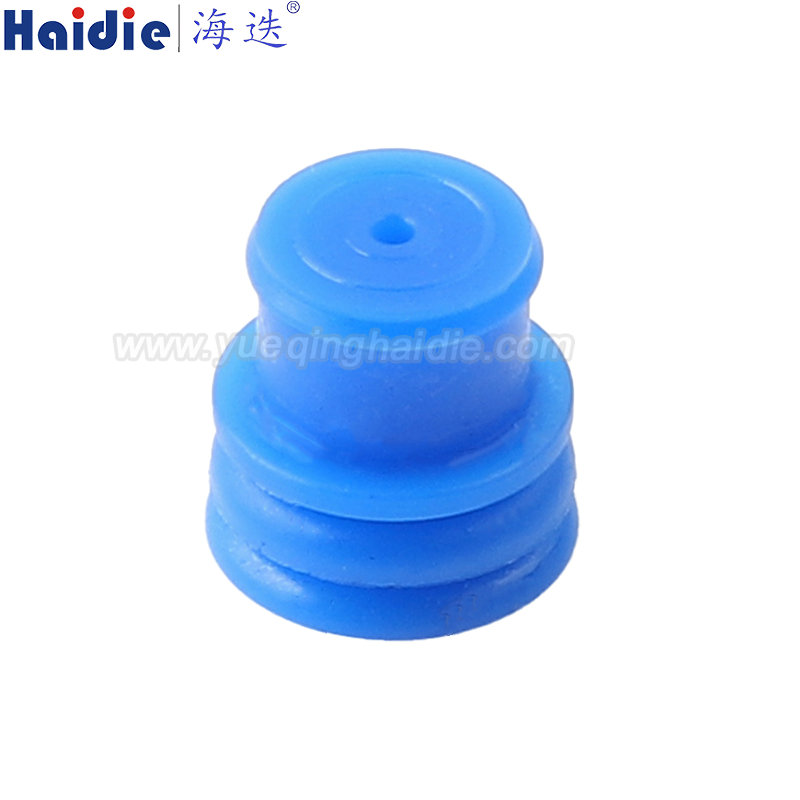
How a Proactive Rubber Seal supplier Identifies Mold Flow Issues Early
This article explores how a proactive rubber seal supplier identifies mold flow issues early in the injection molding pr···
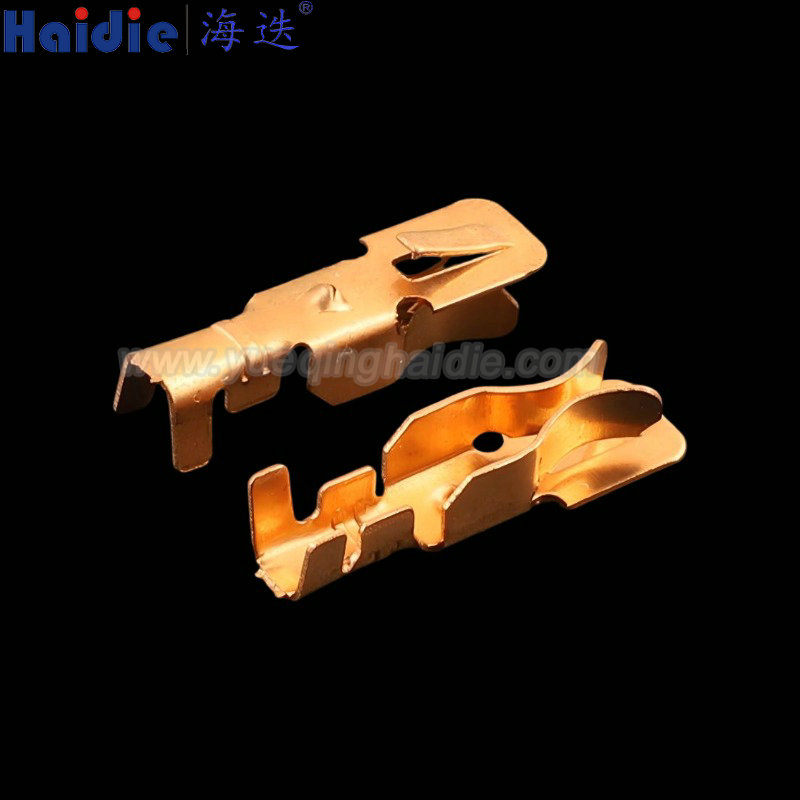
The Science of Crimping How Terminal Design Affects Connection Integrity
The article 'The Science of Crimping: How Terminal Design Affects Connection Integrity' provides a comprehensive···
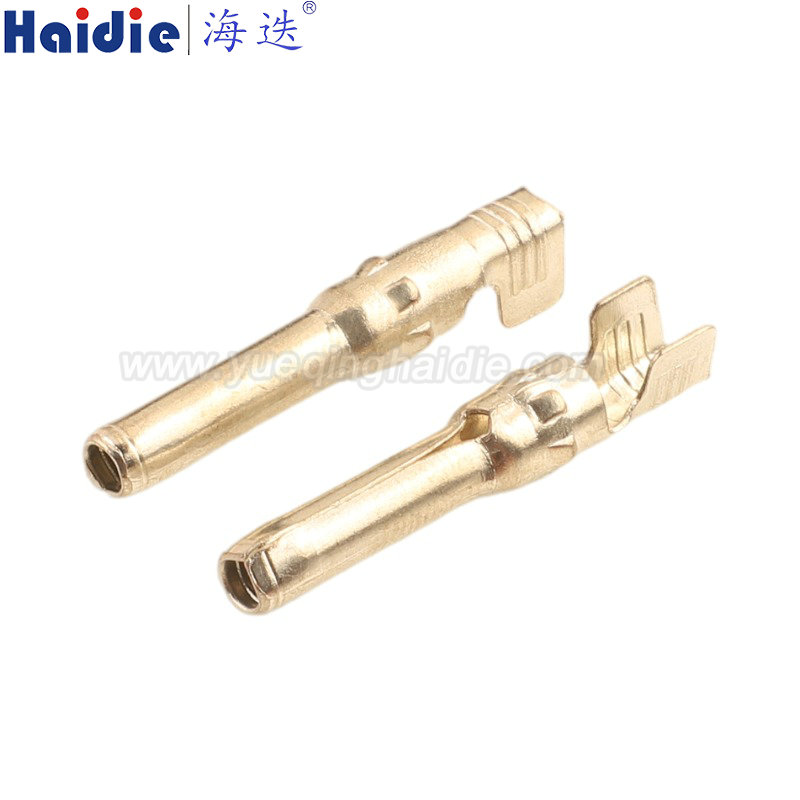
How a Premier Terminal manufacturer Approaches Problem Solving for Loose Connections
The blog post from ZHEJIANG HAIDIE ELECTRIC CO., LTD. (HAIDIE) provides an in-depth look at how a premier terminal manuf···