Industry Dynamic
The Essential Function of Rubber Seal in Automotive Sensor Protection
Oct 29,2026
This article comprehensively explores the essential function of rubber seals in protecting automotive sensors. It begins by highlighting the increasing reliance on sensors in modern vehicles, from engine management to advanced driver assistance systems. The harsh operating environment of a vehicle—including water, dust, oil, extreme temperatures, and vibration—poses significant threats to sensor integrity. Rubber seals act as the first line of defense, providing barriers against liquids, solids, and pressure imbalances, while also dampening vibrations and ensuring electrical isolation. The article discusses the material science behind seal selection, detailing the properties and applications of NBR, FKM, silicone, and EPDM, and explains critical design principles such as O-rings, formed-in-place gaskets, overmolding, and breathable membranes. It also examines the close relationship between seals and connectors, highlighting the various types of sealing plugs, mat seals, and wire seals. A substantial portion of the article is devoted to ZHEJIANG HAIDIE ELECTRIC CO., LTD, a leading manufacturer of automotive connectors and sealing solutions. Established in 2013, HAIDIE specializes in injection molding, mold making, wire harness processing, and connector kits. With a massive inventory of millions of plugs, a 4,000 square meter warehouse, and nearly 80 employees, HAIDIE ensures fast delivery and high reliability. The company offers nearly 30,000 products, including connectors and sealing plugs compatible with major brands such as Tyco, Sumitomo, Yazaki, Deutsch, Bosch, and FCI. HAIDIE's commitment to quality is underscored by its IATF16949 and ISO9001 certifications, as well as a three-tiered quality inspection system. The article concludes by discussing the evolving requirements of new energy vehicles and autonomous driving, where rubber seals must meet higher demands for dielectric strength, flame retardancy, and compatibility with advanced systems. HAIDIE's agile manufacturing and rapid product iteration position it as a trusted partner for the future of automotive sensor protection. Overall, the article emphasizes that ensuring sensor reliability hinges on the quality and design of rubber seals, making them an indispensable component in modern automotive engineering.
Modern vehicles have evolved into sophisticated computers on wheels. Electronic sensors now monitor everything from tire pressure to engine temperature, from exhaust emissions to driver drowsiness. These sensors form the nervous system of the automobile, feeding critical data to engine control units (ECUs), transmission controllers, and advanced driver assistance systems (ADAS). A failure in any one of these sensors can lead to reduced performance, increased emissions, or even a dangerous safety hazard. Yet, for all their advanced semiconductor technology and precision calibration, sensors remain extremely vulnerable to their environment. Water, dust, oil, salt, and extreme temperature fluctuations can all cause premature sensor failure. Protecting these sensitive components is therefore not just a matter of packaging—it is a fundamental engineering challenge that demands robust, durable, and reliable sealing solutions. At the heart of this protection lies the rubber seal, a seemingly simple component that plays an absolutely essential role in safeguarding the integrity of automotive sensors.
Rubber seals, often overlooked by vehicle owners and even some engineers, are the unsung heroes of automotive electronics. They are designed to fit precisely around sensor housings, connector interfaces, and wire bundles, forming an impermeable barrier that prevents contamination while accommodating thermal expansion, vibration, and mechanical stresses. Whether it is a wheel speed sensor mounted near the brake disc, a crankshaft position sensor exposed to engine oil splash, or an exhaust gas temperature sensor subjected to searing heat, rubber seals ensure that external elements do not compromise the sensor's internal electronics. In this comprehensive article, we will explore the multifaceted roles of rubber seals in automotive sensor protection, the materials and design principles that make them effective, and the vital contribution of component manufacturers such as ZHEJIANG HAIDIE ELECTRIC CO., LTD (HAIDIE) to this critical area of automotive engineering.
The Evolving Landscape of Automotive Sensors
The number of sensors in a typical gasoline-powered or electric vehicle has grown exponentially over the past two decades. A modern luxury vehicle may contain over 100 different types of sensors, ranging from simple temperature sensors to complex LiDAR units. These sensors are strategically placed throughout the vehicle to collect data that is then processed by electronic control units to make split-second decisions.
In powertrain applications, sensors monitor engine speed, throttle position, oxygen levels, fuel pressure, and coolant temperature. These inputs are essential for optimizing fuel injection, ignition timing, and emission control. In the chassis domain, wheel speed sensors enable antilock braking systems (ABS) and electronic stability control (ESC). Body control systems rely on sensors for rain-sensing wipers, automatic headlights, and climate control. In electric vehicles (EVs), additional sensors monitor battery temperature, motor current, and regenerative braking parameters.
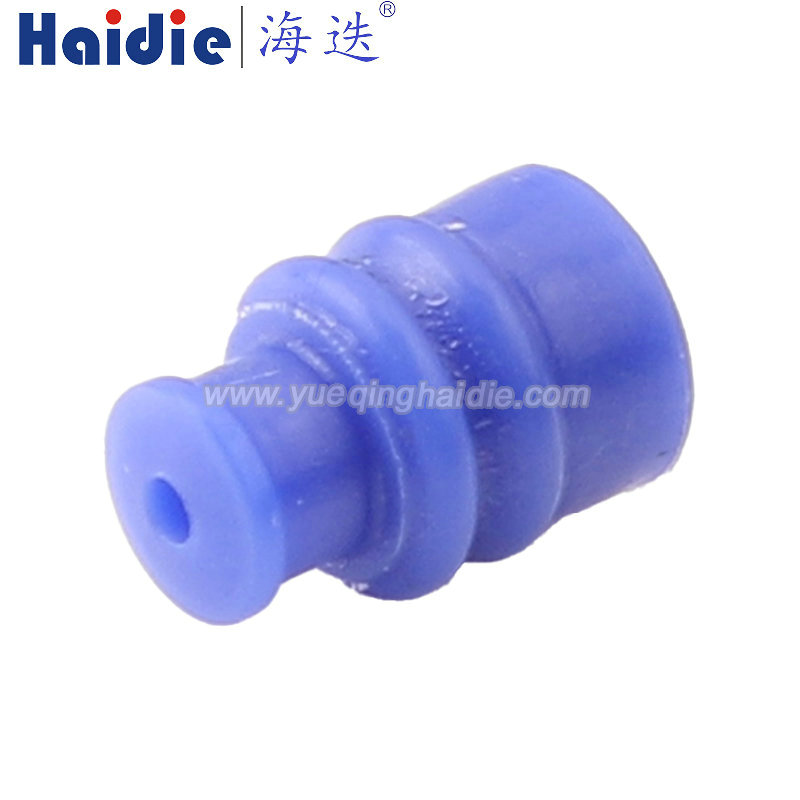
The extreme importance of these sensors cannot be overstated. A failure in the crankshaft position sensor can stop the engine entirely. A malfunction in the pressure sensor can trigger false warnings or, worse, fail to warn of a critical drop in brake fluid pressure. Therefore, the reliability of every sensor is paramount. Yet, the operating environment within a vehicle is far from benign.
Environmental Threats to Sensor Integrity
Automotive sensors are exposed to some of the harshest conditions found in any industrial application. The engine compartment, for example, can reach temperatures above 125°C, while also experiencing severe vibration from the engine and road. Underbody sensors must contend with water splash, road salt, and gravel impact. Sensors near the brakes are subjected to high temperature brake dust and corrosive fluids. Even interior sensors can face humidity and temperature swings from cabin heating and cooling.
The most common threats to sensor reliability are:
Water and moisture ingress: Even a small amount of water can cause short circuits and corrosion of delicate sensor electronics. When water freezes, it can expand and crack sensor housings. Moisture can also seep into connectors and cause intermittent electrical connections.
Dust and particulate contamination: Abrasive particles can damage MEMS sensors, block pressure ports, and contribute to wear of moving parts within sensor assemblies.
Oil and fuel exposure: Sensors in the engine bay or fuel system may be in direct contact with engine oil, fuel, or transmission fluid. These fluids can degrade plastic housings and infiltrate electrical connectors if seals are not compatible.
Extreme temperature fluctuations: Thermal cycling can cause materials to expand and contract, gradually loosening seals and creating gaps that allow contamination to enter.
Chemical attack: Road salt, de-icing chemicals, and cleaning solvents can corrode metal components and degrade elastomers used in seals.
Mechanical vibration and shock: Constant vibration can cause connectors to loosen and seals to wear, especially if they are not designed to withstand dynamic stress.
Given these threats, the rubber seal serves as the first line of defense. It is not an exaggeration to say that the reliability of a sensor is largely determined by the quality of its seals.
The Fundamental Functions of Rubber Seals in Sensor Systems
Rubber seals perform several distinct functions that are essential for sensor protection:
Sealing against liquids and gases: The primary function is to prevent water, oil, fuel, and other fluids from entering the sensor housing. This is accomplished through compressive contact between the seal and the housing surfaces, creating a barrier that blocks liquid pathways.
Exclusion of solid contaminants: Rubber seals also block dust, dirt, and sand, preventing them from reaching sensitive components. This is particularly important for sensors with pressure ports or ventilated housings.
Pressure equalization with moisture proofing: Some sensors require small breathing vents to equalize internal pressure due to temperature changes. Rubber seals can incorporate breathable membranes that allow air passage while blocking water molecules.
Vibration damping: The elastomeric nature of rubber seals absorbs mechanical vibrations, reducing stress on sensor solder joints and connector terminals. This prolongs the operational life of the sensor.
Electrical isolation: Rubber seals can also provide electrical insulation between the sensor housing and external components, preventing unwanted current leakage and electrolytic corrosion.
Thermal insulation: In some high-temperature applications, seals help insulate heat-sensitive components from ambient heat sources.
These functions are accomplished through careful selection of elastomer materials and precision design of the seal geometry. A seal cannot be a simple one-size-fits-all component; it must be engineered for the specific sensor, the location within the vehicle, and the environmental conditions that the sensor will encounter.
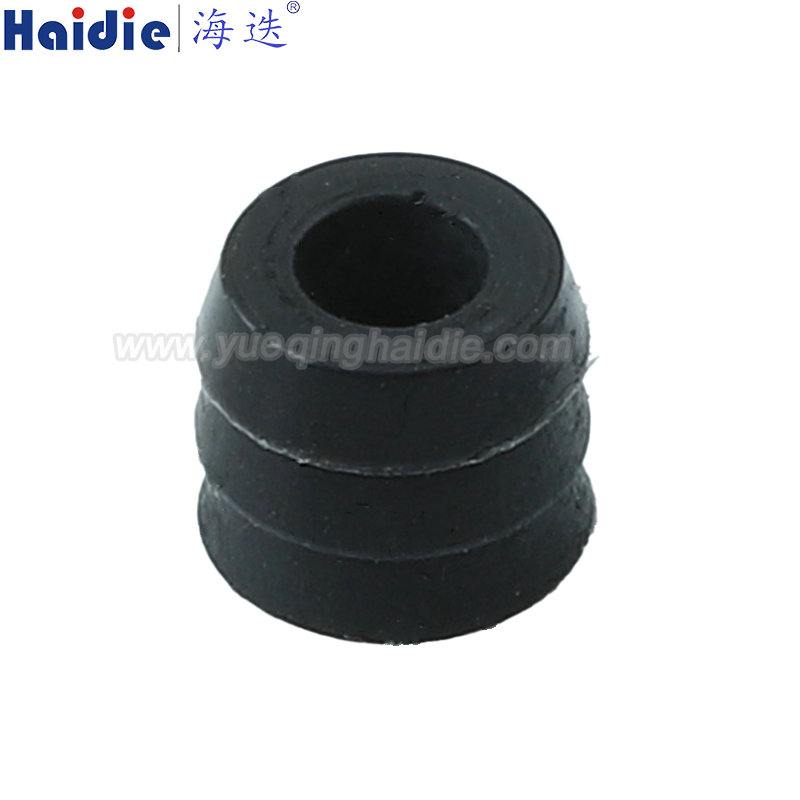
Material Science Behind Rubber Seals
The choice of rubber (elastomer) material is critical to seal performance. Different elastomers offer varying degrees of resistance to temperature, fluid compatibility, and long-term aging. The most commonly used elastomers for automotive sensor seals include:
| Elastomer | Temperature Range | Properties | Common Applications |
|---|---|---|---|
| Nitrile (NBR) | -40°C to +120°C | Excellent oil and fuel resistance, good mechanical properties, low cost | Engine oil sensors, fuel sensors, general-purpose connectors |
| Fluoroelastomer (FKM/Viton) | -25°C to +220°C | Outstanding high-temperature and chemical resistance, low permeability | Exhaust sensors, diesel engine applications, aggressive fluids |
| Silicone (VMQ) | -60°C to +230°C | Excellent flexibility at low temperatures, good high-temperature resistance, poor oil resistance | Interior sensors, battery pack seals, pressure equalization vents |
| Ethylene Propylene (EPDM) | -50°C to +150°C | Good weather resistance, ozone resistance, water and steam resistance, not oil resistant | Brake system sensors, underbody connectors, water-exposed applications |
Each of these elastomers offers a distinct balance of properties. For instance, NBR is favored for oil contact due to its excellent petroleum resistance, but it struggles with high temperatures. FKM, on the other hand, performs exceptionally well in high heat and chemical environments, but it is more expensive and has reduced low-temperature flexibility. Silicone, with its remarkable temperature range, is ideal for applications where oil exposure is not expected, such as cabin sensors. EPDM is an excellent choice for water-resistant seals but cannot be used in oily environments.
Design engineers must also consider the potential for elastomer hardening over time. Oxidation, UV exposure, and thermal aging can cause rubber to become brittle and crack. To mitigate this, advanced compounding additives are used to improve long-term stability. For critical sensors, accelerated aging tests are performed to ensure that seals maintain their sealing force for the vehicle's design lifetime—often 15 years or 150,000 miles.
Design Principles for Effective Sensor Seals
Creating an effective rubber seal involves more than picking the right material. The seal's geometry, surface finish, and assembly method are equally important. Some key design principles include:
O-Ring and Gasket Designs
O-rings are toroidal seals that are compressed in a groove between two mating surfaces. They are simple, cost-effective, and widely used in automotive connectors. The compression set—the ability of the rubber to return to its original shape—is a critical parameter. A high-quality O-ring will maintain compressive force even after prolonged exposure to temperature and stress. For sensor housings, O-rings are often fitted into machined grooves, and the compression is controlled by the tolerances of the mating parts.
FIPG and CIPG Seals
Formed-in-place gaskets (FIPG) are dispensed as a liquid sealant that cures into a rubber-like gasket. Cured-in-place gaskets (CIPG) are applied to one part and then cured, forming a pre-formed seal that adheres to the surface. These techniques allow for complex sealing patterns and can be automated for high-volume production. They are commonly used in engine control modules and transmission control modules where large, irregularly shaped covers need to be sealed.
Bonded Seals and Overmolding
In many modern sensor designs, the seal is over-molded directly onto the housing or cable. This creates a hermetic bond between the elastomer and the substrate, eliminating the risk of misalignment during assembly. Overmolded seals are particularly effective for wire-to-sensor connections, where the cable exits the sensor housing. They protect the terminal contacts and prevent moisture from wicking along the wire strands.
Ventilated Seals with Breathable Membranes
Some sensors, such as barometric pressure sensors and exhaust gas sensors, require pressure equalization with the environment. Traditional seals would block all airflow, but breathable membranes made of expanded PTFE or porous polymers can be integrated into the seal. These membranes allow air molecules to pass but block liquid water and particles. The result is a seal that prevents pressure differentials while still protecting the sensor core.
Multiple Sealing Points
For high-reliability sensors, designers often use redundant sealing. For example, a sensor might have a primary O-ring at the mounting boss and a secondary seal within the connector interface. Redundancy ensures that if one seal degrades, the other continues to provide protection. This is especially important in safety-critical systems such as brake pressure sensors and steering angle sensors.
Compatibility with Connector Assemblies
Rubber seals are intimately linked to the electrical connectors that carry sensor signals. A typical sensor connection consists of a male and female connector, wires, terminals, and a wire seal or plug. The connector housing often encloses a rubber seal around each wire, known as a wire seal or an individual seal. In addition, a peripheral seal between the two connector halves prevents water from entering the mating area. These sealing plugs are supplied in vast varieties by companies like HAIDIE, which specializes in automotive connector replacements and sealing plugs.
The Nexus Between Connectors and Rubber Seals
Automotive connectors are designed to be both electrically reliable and environmentally sealed. The interface between the connector and the sensor is a common point of failure. If the connector is not properly sealed, water can travel along the wire bundle and reach the sensor terminals. This has led to the development of sealed connector systems that use multiple rubber seals:
Peripheral seals: These are ring-shaped seals that fit between the male and female connector housings. They compress when the connector is latched, forming a watertight seal around the connector cavity.
Mat seals: These are flat rubber pads with holes that allow wires to pass through. They are placed in the back of the connector to seal where wires exit. Mat seals are a straightforward, low-cost solution for multiple wires in one connector.
Wire seals: Each individual wire may receive an individual rubber seal that grips the wire insulation and the connector cavity. This provides sealing even when wires are not all used, preventing moisture ingress through empty cavities.
Cable seals: Larger rubber grommets are used where the entire wiring harness enters a module or passes through a bulkhead. These seals must accommodate varying wire gauges and often have stepped profiles.
In high-vibration environments, connectors can also incorporate rubber strain-relief features that protect both the electrical connection and the seals themselves. By absorbing vibration, the rubber reduces fretting wear on terminals and prevents seal fatigue.
The design of these connector seals requires precise control of tolerances. A seal that is too large may prevent proper connector latching, while one that is too small will not compress enough to provide an effective barrier. That is why major manufacturers produce millions of different seal designs, each tailored to a specific connector family and environment.

HAIDIE: A Pioneer in Sensor Sealing Solutions
ZHEJIANG HAIDIE ELECTRIC CO., LTD, better known by its abbreviation HAIDIE, has emerged as a leading supplier of connector and sealing components for the automotive industry. Established in June 2013, HAIDIE has dedicated itself to the sales, injection molding, mold making, and wire harness processing of automotive connectors and kits. With a core focus on reliability, fast delivery, and cost-effectiveness, HAIDIE has grown into a trusted partner for original equipment manufacturers (OEMs) and tier-one suppliers across the globe.
The company's name, Haidie, symbolizes massive inventory and continuous iteration. Indeed, HAIDIE maintains an inventory of tens of millions of different types of plugs, connectors, and sealing components. Their warehouse, spanning 4,000 square meters, ensures a wide range of products are available for immediate shipment. The company employs nearly 80 professionals who work diligently to meet customer requirements, from quote to production.
Core Products: Connectors, Terminals, and Sealing Plugs
HAIDIE's product portfolio encompasses connectors, terminals, sealing plugs, and wire harnesses. Among these, sealing plugs are particularly critical for sensor protection. These plugs are used in connector cavities to block water and dust from entering the rear of the connector. They are available in various sizes and colors, and they are manufactured with high-quality industrial rubber compounds that meet stringent automotive standards.
Haidie places strong emphasis on product adaptation and customization. The company positions itself as a provider of reliable connections, efficient adaptation, and fast delivery. This is especially important in the mid-to-high-end electrical connection market, where the need for domestic substitution is rising. HAIDIE offers a wide range of replacement connectors that are compatible with leading global brands such as Tyco, Sumitomo, Yazaki, Deutsch, Bosch, and FCI. These connectors are widely used in power, chassis, and body control systems of both gasoline and new energy vehicles.
Scalable Manufacturing and Rapid Iteration
HAIDIE's ability to deliver robust sealing solutions is reinforced by its manufacturing principles. The company iterates its products monthly, developing over a thousand sets of molds to meet evolving industry requirements. This agile approach ensures that engineers have access to the latest connector and seal designs, benchmarked against leading international brands. With a three-tiered quality inspection system covering raw material intake, production process, and finished product delivery, HAIDIE guarantees that every seal and connector leaves the factory with consistently high quality.
Moreover, HAIDIE has been deeply involved in the automotive, new energy, and connectivity fields for over a decade. This long history has allowed the company to serve over 5,000 customers worldwide. Their ability to combine technological prowess with rapid delivery response and high reliability has earned them a reputation as a preferred brand for cost-effective, high-performance components.
Quality Assurance and Certifications
The importance of rubber seals in sensor protection demands rigorous quality management. HAIDIE's operations are certified under IATF16949 and ISO9001 standards. These certifications require comprehensive processes for design control, supplier management, manufacturing execution, and continuous improvement. For seals, this means verifying material properties, performing life-cycle tests, and ensuring dimensional consistency across production batches.
Many sensor seals are considered safety-critical components. A failure could trigger a malfunction alert or, in the worst case, disable a safety system. For this reason, OEMs and tier suppliers often require suppliers such as HAIDIE to conduct extensive test protocols that include:
High and low temperature exposure tests
Thermal shock cycling
Fluid immersion tests
Sudden immersion tests for waterproofing
Dust chamber tests
Mechanical vibration and shock tests
Connector insertion and extraction force tests
These tests ensure that a sealing plug or connector seal will perform reliably for the life of the vehicle. HAIDIE's commitment to quality is evidenced by its strong customer retention and its growing reputation in the global automotive marketplace.
Innovations in Sensor Sealing for New Energy Vehicles
The automotive industry is undergoing a transformation toward electric and hybrid powertrains. New energy vehicles (EVs and PHEVs) bring unique challenges to sensor sealing. High-voltage battery packs require sensors for voltage, current, and temperature monitoring. These sensors are often immersed in cooling fluid or exposed to problematic thermal interfaces. Additionally, the electric motor and power electronics generate large amounts of heat and electromagnetic interference.
Rubber seals for EV sensors must meet additional requirements, such as:
High dielectric strength: Seals near high-voltage components must act as insulators to prevent electrical arcing.
Flame retardancy: In the event of a thermal runaway, seals must not propagate combustion.
Compatibility with cooling fluids: Many battery systems use liquid cooling with dielectric fluids that can be incompatible with standard elastomers.
Long-term resistance to photodegradation: Underbody battery sensors may be exposed to intense ultraviolet light.
HAIDIE is actively expanding its product line to address these EV-specific requirements. With its extensive mold library and material testing capabilities, the company offers sealing plugs and connector systems that are engineered to handle the rigorous demands of high-voltage, high-reliability applications. The transition to new energy vehicles represents a significant growth opportunity for specialized sealing solution providers.
Role of Rubber Seals in Future Autonomous Driving Systems
Autonomous driving (ADAS) pushes sensor reliability to an even higher level. Cameras, radar, lidar, and ultrasonic sensors are redundantly integrated to enable safe vehicle control. These sensors are sensitive to dust, water droplets, and ice formation on their lenses or covers. Rubber seals not only protect the internal electronics but also play a role in sealing heated sensor lenses and ensuring that the sensor's field of view is not compromised.
Billions of miles of real-world data will be required to prove the safety of autonomous vehicles. Sensors must operate without failure, even in rainstorms, sandstorms, or freezing conditions. This places an immense burden on the sealing technology. Seals must tolerate repeated cleaning cycles, such as high-pressure water jets, as well as chemical spray from road treatments. They must maintain a tight interface while also allowing for the small amount of flexure necessary when a sensor is mounted on an active suspension component.
Moreover, as vehicle architecture evolves toward centralized computing, sensors are becoming more integrated. The trend is toward modular sensor packages that combine multiple sensing modalities into a single unit. This calls for bespoke seal geometries that can accommodate multiple board-to-board and wire-to-board connections within one housing. HAIDIE's capability to rapidly prototype and produce custom tooling makes it an ideal partner for this emerging trend.
Practical Considerations for Engineers and Manufacturers
When selecting or designing rubber seals for sensor applications, engineers should consider several practical factors:
Operating temperature range: Simply knowing the ambient temperature is not enough. The self-heating of electronics, proximity to heat sources, and durations at elevated temperature must all be considered. Seals must withstand continuous high temperatures as well as cyclic temperature spikes.
Fluid compatibility: The seal material must be compatible with any fluids that might come into contact with it. For example, engine sensors may be exposed to oil, fuel, coolant, and cleaning solvents. Check the material datasheet for oil resistance, swelling behavior, and compatibility with harsh chemicals.
Compression set and relaxation: Over time, rubber loses elasticity and the sealing force decreases. Select materials with low compression set, and design sufficient initial compression to maintain a seal over the product life.
Tolerances and dimensions: The gap between mating parts, surface roughness, and the seal cross-section must all be controlled to ensure proper sealing. For O-rings, work to international standards like ISO 3601 or AS568 to get consistent performance.
Assembly method: Consider whether the seal can be easily installed without damage. Use of assembly lubricants, proper tooling, and careful handling can prevent premature seal failure.
Testing and validation: Always validate the seal in realistic prototypes. Simulate the most extreme conditions—such as submersion, thermal shock, and extended vibration—before sign-off.
Supply chain reliability: Choose a supplier like HAIDIE that can provide a broad range of seal sizes and materials, and guarantee availability. A reliable supply chain minimizes production delays and obsolescence issues.
By collaborating with a component specialist early in the design phase, manufacturers can avoid costly design changes and ensure that their sensor products meet regulatory and customer expectations.
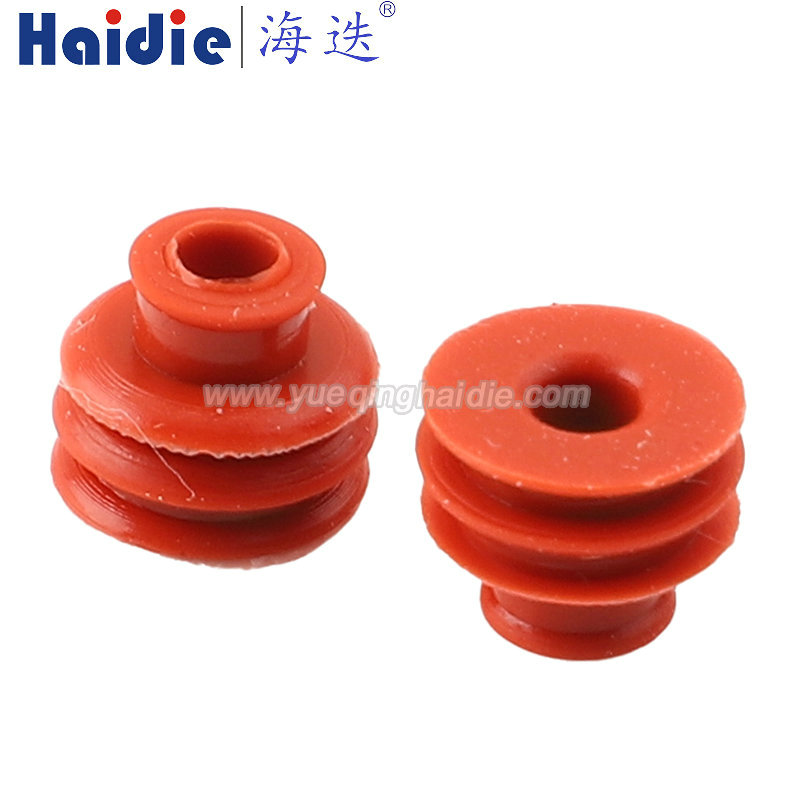
Why Haidie is a Trusted Brand
For more than a decade, HAIDIE has been the go-to brand for connectors, sealing plugs, and wiring components. The company's commitment to mass inventory and continuous iteration is an industry differentiator. With tens of millions of plugs in stock and a team that works around the clock to support customers, HAIDIE ensures that you can always find the right component for your application.
The company's mission to integrate resources and build the most professional connector platform in China has led to partnerships with some of the most demanding manufacturers in the automotive sector. Serving over 5,000 global customers, HAIDIE understands the importance of quality, precision, and speed. Their products are benchmarked against renowned international brands, ensuring that domestic and global manufacturers alike can achieve the same—or better—reliability without the long lead times or higher costs of imported parts.
HAIDIE's electrical connector range covers nearly 30,000 products, which includes connectors, terminal blocks, and wire harness assemblies. These products are used across the power, chassis, and body control systems of gasoline and electric vehicles. In each case, the rubber seals and sealing plugs prevent contamination and maintain electrical integrity, thereby protecting the sensor from failure.
Conclusion
The essential function of rubber seals in automotive sensor protection cannot be overstated. As vehicles become more connected, automated, and electrified, the dependency on sensor accuracy and reliability continues to grow. A failed sensor can lead to performance degradation, costly repairs, or even life-threatening accidents. Rubber seals act as the silent guardians of these sophisticated electronic components, shielding them from water, dust, oil, and thermal extremes. They also dampen vibration, isolate electrical signals, and accommodate pressure differences.
The selection and design of a rubber seal are far from trivial. Material choices such as NBR, FKM, silicone, and EPDM offer distinct advantages and limitations, and the seal geometry must be tailored to each sensor's unique packaging and environmental exposure. Furthermore, the integration of seals into connectors is critical; a well-designed sensor can fail if the connector seals are inadequate.
As a dedicated manufacturer of automotive connectors and sealing solutions, ZHEJIANG HAIDIE ELECTRIC CO., LTD exemplifies the engineering excellence required to support modern vehicle electronics. With its vast inventory, rapid iteration capability, and robust quality management, HAIDIE ensures that sensor protection components are available, adaptable, and dependable. The company's journey from a 2013 startup to a leading global supplier demonstrates the growing demand for high-reliability sealing technology in the automotive marketplace.
In the future, as autonomous driving becomes mainstream and electric vehicles dominate the road, the humble rubber seal will continue to evolve. New materials, advanced designs, and smarter manufacturing will further enhance their ability to protect the sensors that keep us safe and mobile. Engineers, designers, and consumers should all appreciate the critical role that these small but mighty components play in the reliability of the modern automobile.
For any vehicle manufacturer looking to ensure long-term sensor integrity, partnering with a knowledgeable component supplier is essential. Haidie's commitment to reliability, fast delivery, and continuous innovation positions it as the preferred partner for protecting the next generation of automotive sensors. The rubber seal is not just an accessory; it is the cornerstone of sensor durability and automotive safety.
Recent news

The Essential Function of Rubber Seal in Automotive Sensor Protection
This article comprehensively explores the essential function of rubber seals in protecting automotive sensors. It begins···
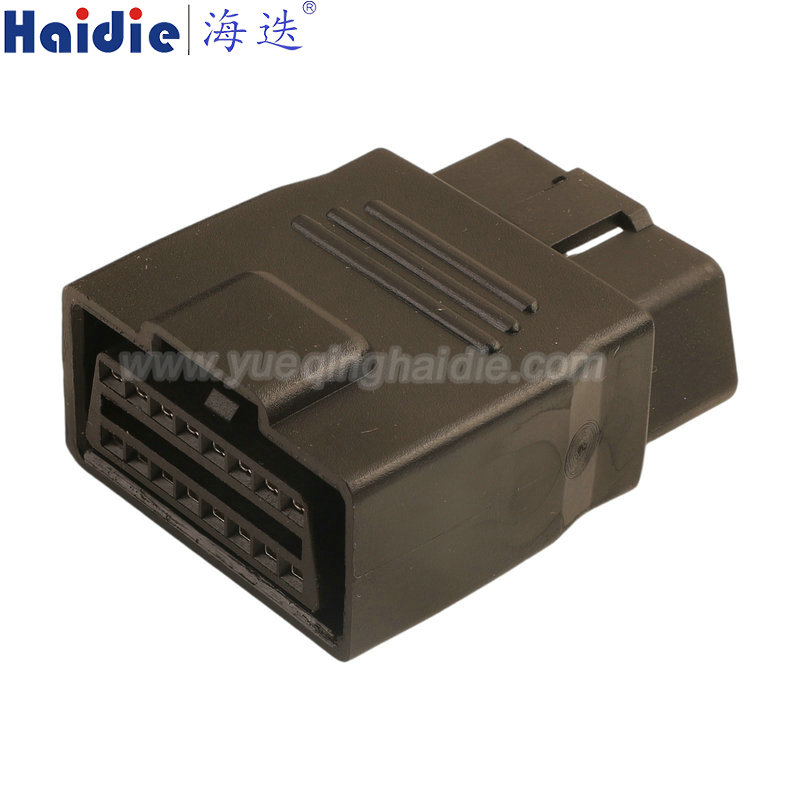
How a Wire Harness supplier Facilitates Design Changes During Development
Design changes during the development of automotive and new energy products are inevitable and pose significant challeng···
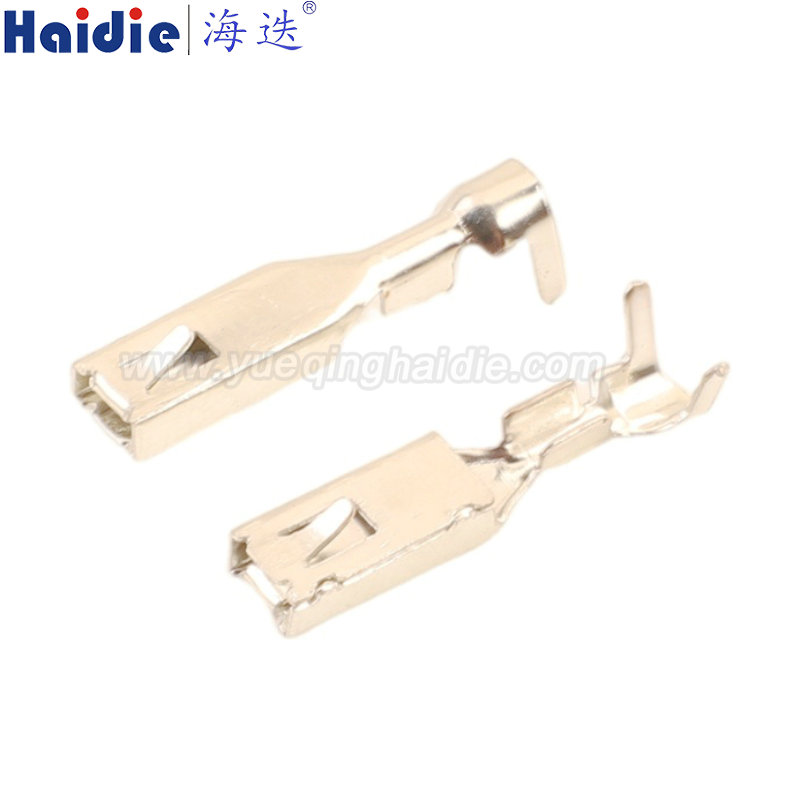
The Importance of Sample Lead Times When Choosing a Terminal supplier
Sample lead times are a crucial yet often undervalued factor in selecting a terminal supplier, directly impacting produc···